Scientific and practical peer-reviewed journal
The journal "Medical Herald of the South of Russia" (“Meditsinskiy vestnik Yuga Rossii”) is made for physicians, scientists, teachers of high medical institutions, research workers in different fields of medicine.
Objective of the journal:
— to cooperate the results of scientific works with rich clinical experience of physicians in different branches of medicine;
— to provide practical physicians with urgent and qualitative scientific information.
The journal accepts articles in all medical specialties and branches. Reviews, original scientific researches, and also short reports are published on the pages of the journal.
The compulsory condition of materials’ publications is their correspondence to the requirements of evident-based medicine. All the materials are reviewed and discussed by editorial board. The articles’ reviewing is anonymous.
The journal "Medical Herald of the South of Russia" (“Meditsinskiy vestnik Yuga Rossii”) entered the list of peer-reviewed scientific journals and publications where the basic scientific results of dissertations for the degree must be published.
Current issue
OBSTETRICS AND GYNECOLOGY
Objective: to optimize the management tactics of adolescents with oligomenorrhea based on the study of the pathogenetic, clinical, diagnostic and prognostic role of disorders in the systemic production of angiogenesis factors and markers of apoptosis. Materials and methods: 184 adolescent girls were examined, of which 144 were diagnosed with primary oligomenorrhea [N91.3 according to ICD10] and 40 healthy girls united in the control group. The groups were statistically homogeneous in age — 16.2 (17.2; 15.6) years. Patients with oligomenorrhea were stratified into 3 groups with low, normal and high serum AMH content. Results: the results obtained made it possible to give a structural characteristic of ovarian dysfunction for each group of adolescents with oligomenorrhea. With a low ovarian reserve, there is an inadequate increase in apoptosis and inhibition of angiogenesis, which is clinically manifested by the formation of ovarian insufficiency. component, hyperandrogenism indicates the formation of stromal hyperthecosis of the ovaries. With a high ovarian reserve, there is a blockage of the apoptosis process with a predominance of proangiogenic effects, an increase in the volume of the ovaries, hyperandrogenism indicates a complete phenotype — A-syndrome of polycystic ovaries. Conclusion: The established relationship between the markers of ovarian reserve and the systemic production of angiogenesis factors and Fas-mediated apoptosis in three different variants of the course of ovarian dysfunction will expand the understanding of the pathogenesis of oligomenorrhea as a systemic pathology
This article provides a scientific literature review devoted to an issue: the role of vitamin D in the functioning of the human reproductive system. The data analysis was based on original foreign and domestic studies, systematic reviews, and meta-analyses (“CyberLeninka”, “Web of Science”, “Сochrane Library”, “PubMed”) mostly from 2020 to 2025 by the following keywords: “D-status”, “vitamin D”, “IVF”, “fertility”, “reproductive system”. In the process of analyzing the literature, most authors point to the relationship between a decrease in fertility rates, the development of obstetric and gynecological diseases and the level of vitamin D (25(OH)D). However, there is also controversial research data indicating the absence of this relationship due to the heterogeneity of data on initial vitamin D levels, dosages, climatic and national characteristics. This review systematizes current data on the key role of vitamin D in male and female reproductive health. The mechanisms of its influence on the female reproductive system are described, such as folliculogenesis, endometrial receptivity, immune mechanisms of embryo implantation and male spermatogenesis, steroidogenesis.
PAEDIATRICS
This article presents a clinical observation of severe bronchopulmonary dysplasia in a full-term infant with congenital malformations of the central nervous system and larynx. The study demonstrated the extremely unfavorable effect of combined maternal pathology, complicated pregnancy course (gestational diabetes mellitus, acute respiratory viral infections, and threats of pregnancy termination due to cervical insufficiency, vaginitis, and cervicitis), and child pathology (intrauterine hypoxia, cerebral ischemia, and intrauterine pneumonia) on the development of the infectious process. This case demonstrates the combined nature of severe pathology in a full-term morphofunctional immature child, which is the basis for using a multidisciplinary approach in their management. The incidence rates in the early neonatal period are high in such children. The uniqueness of this clinical observation lies in the difficulty of identifying the cause of sudden significant deterioration in an early-aged child suffering from bronchopulmonary dysplasia (BPD) and having congenital malformations of the larynx and brain.
In recent years, there has been an increase in the incidence of autoimmune encephalitis in the pediatric population, which is due not only to an actual increase in incidence but also to improved diagnostic methods. This article presents a review of the scientific literature on the diagnosis and treatment of autoimmune encephalitis in children. An analysis of 54 domestic and foreign sources was conducted using the following databases: PubMed, eLibrary, Russian Science Citation Index for the last 10 years using the following keywords: “autoimmune encephalitis”, “children”, “NMDA receptors”, “paraneoplastic syndrome”, “antineuronal antibodies”, “targeted therapy”. The main criteria for the selection were scientific reliability and high relevance to the topic (sources containing up-to-date information on the diagnosis and treatment of autoimmune encephalitis in children). In the process of literature analysis, epidemiological aspects and molecular mechanisms of pathogenesis, including antibody-mediated dysfunction of synaptic receptors, were considered, T-cell cytotoxicity and activation of the complement system, modern diagnostic algorithms and personalized approaches to therapy based on biomarker monitoring, possibilities of using targeted drugs in pediatric practice, taking into account genetic profiling to predict response to rituximab/tocilizumab.
PEDIATRICS, OTORHINOLARYNGOLOGY
Objective: to identify independent risk factors for therapy failure in children with ENT diseases associated with latent Eustachian tube dysfunction. Materials and methods: data from 1,520 children aged 3–18 years with seven ENT disease categories were analyzed. Treatment outcome was assessed as a binary variable: favorable outcome or therapy failure. Baseline demographic, clinical, laboratory, bacteriological, and functional parameters, as well as selected domains of the International Classification of Functioning, Disability and health, were studied. Univariate analysis was performed using the Mann–Whitney U test and Pearson’s χ² test with Benjamini–hochberg correction. Independent associations were assessed by binary logistic regression. Results: in the multivariable model, independent factors associated with therapy failure were older age, a smaller number of involved paranasal sinuses, a lower C-reactive protein level, and more negative baseline tympanometric pressure. These findings indicate that the risk of an unfavorable outcome is already formed at the level of the patient’s baseline inflammatory and functional profile. Conclusions: risk assessment for therapy failure should consider the baseline inflammatory-functional profile and the presumed mechanism of latent Eustachian tube dysfunction within a specific disease cluster, supporting a personalized approach to treatment strategy selection.
INTERNAL DISEASES
Neutrophil extracellular traps (NETs) are mesh-like structures composed of DNA and antimicrobial proteins released by activated neutrophils during NETosis. This review aims to systematically analyze the role of NETosis in the pathogenesis of respiratory diseases and evaluate potential therapeutic strategies. We discuss the mechanisms of NETosis (lytic and vital), the dual function of NETs — ranging from antimicrobial defense to mediating tissue damage — as well as current detection. Particular emphasis is placed on the role of NETosis in COVID-19, bronchial asthma (specifically neutrophilic phenotypes), chronic obstructive pulmonary disease (COPD), and cystic fibrosis. Therapeutic approaches targeting the modulation and inhibition of NETosis are discussed, including DNase I, protease inhibitors, phosphodiesterase-4 (PDE4) inhibitors, dipeptidyl peptidase-1 (DPP-1) inhibitors, and biological therapies. Analysis of 55 publications retrieved from PubMed and eLibrary confirms that NETosis is a central pathogenetic mechanism rather than solely a biomarker. This positions NETs as a promising therapeutic target, despite disease heterogeneity and the complexity of NETosis regulation. The review also summarizes research findings on NET detection and visualization, mechanisms of NET formation in respiratory pathology, animal modeling of disease states, and the subsequent application of targeted therapies directed against NET components.
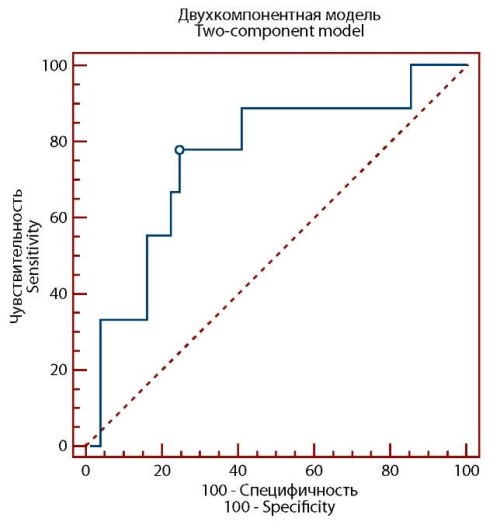
Objective: of this study was to assess the cytokine profile in patients with stable coronary artery disease (CAD) after percutaneous coronary intervention (PCI) with stent implantation and to develop a prognostic model for estimating the risk of adverse cardiovascular outcomes during one year follow-up. Materials and methods: the study included 89 patients with stable CAD. Of these, 45 patients underwent PCI with stenting, and 44 patients were hospitalized for conservative management of CAD. The prognostic model was developed for the cohort of patients after PCI. Serum levels of IFN-γ, IL-17, IL-6, IL-4, and TNF-α were measured at baseline. All patients were followed for one year. A prognostic model for cardiovascular risk assessment was developed using logistic regression analysis. Results: during the one-year follow-up, adverse outcomes were observed in 19 (42.22%) patients in the interventional treatment group and 8 (18.18%) patients in the conservative treatment group (χ2=6,08; р=0,0136). Patients after PCI who developed adverse cardiovascular outcomes had significantly higher baseline levels of IL-6 and IL-17 compared to patients without adverse outcomes (p<0,05). A two-component prognostic model based on IL-6 and IL-17 levels was developed. The area under the ROC curve was 0,757+0,09, with a sensitivity of 77,8% and a specificity of 75,5%. Conclusion: elevated baseline levels of IL-6 and IL-17 are associated with an increased risk of adverse cardiovascular outcomes in patients with stable CAD within one year after PCI with stenting. Assessment of the cytokine profile may serve as an additional tool for individualized cardiovascular risk stratification.

Differential diagnosis of abdominal fluid accumulation syndrome in women is a complex clinical task, requiring exclusion of a wide range of pathologies, including cirrhosis and its complications, including hepatocellular carcinoma, malignant neoplasms of another location, heart failure and gynecological diseases. Despite the improvement of diagnostic methods, there is a tendency towards late verification of ovarian tumors, which worsens the prognosis of treatment. The paper presents a clinical observation of a 66-year-old patient admitted to a hospital with a clinic of massive ascites. A complex of examinations, including multispiral computed tomography (MSCT) of the abdominal and pelvic organs with contrast enhancement, made it possible to visualize the volumetric cystic formation of a giant ovary. Surgical treatment was performed - adnexectomy. Histological conclusion: serous cystadenoma (cystadenofibroma). A positive therapeutic effect was noted without recurrence of ascites in the postoperative period. This case demonstrates the diagnostic value of radiation imaging methods, in particular MSCT, in establishing the genesis of hydroperitoneum in postmenopausal patients and emphasizes the need to include gynecological pathology in the differential diagnostic series in accordance with clinical guidelines.
PSYCHIATRY AND NARCOLOGY

Objective: to identify socio-demographic characteristics associated with instability of contact data among patients with substance use disorders. Materials and methods: a cross-sectional analysis of 1, 168 patients undergoing inpatient addiction treatment was conducted. TwoStep cluster analysis was used to identify socio-demographic profiles based on age, type of addiction, marital status, employment, income level, and presence of children. Differences in the frequency of mobile phone number changes were assessed using Pearson’s chi-square test and Cramer’s V. Results: two distinct socio-demographic clusters were identified. The first cluster consisted mainly of older patients with alcohol dependence who were married and had children. The second cluster was characterized by younger age, drug dependence, absence of family, and unstable employment. Patients in the second cluster reported changing their mobile phone numbers significantly more often (59.4% vs. 40.3%; p < 0.001). Conclusions: instability of mobile phone numbers among patients with substance use disorders is associated with socio-demographic factors and may serve as an indicator of social instability and risk of loss of contact with healthcare services.
INFECTIOUS DISEASES
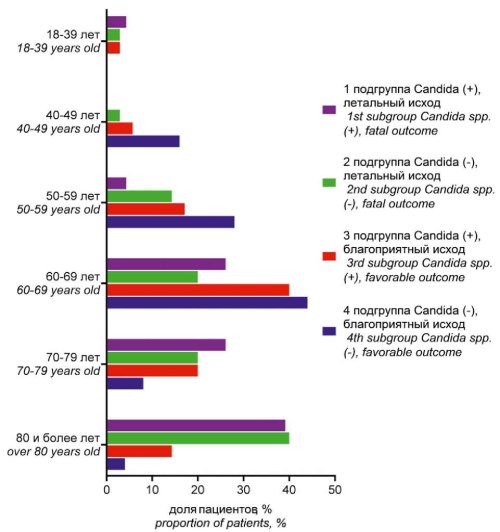
Objective: to analyze the manifestations of fungal complications in COVID-19 and their impact on the course and outcome of the disease, taking into account comorbid pathology. Materials and methods: the types of fungal complications were studied in 118 adult hospitalized patients with COVID-19. The comparison groups consisted of 23 patients who died with fungal complications, 35 patients who died without fungal complications, 35 patients who recovered with fungal complications, and 25 patients who recovered without fungal complications. Results: it was established that the presence of fungal flora worsens the course of COVID-19 and is associated with an unfavorable prognosis. The timing of diagnosis and the location of the pathogen isolation are key: the detection of a fungal infection in the third week and later is significantly associated with a fatal outcome. Candidemia (the isolation of fungi from sputum) is an unfavorable prognostic sign, requiring instrumental monitoring and the prescription of antifungal therapy. Risk factors for developing fungal complications include age over 60, chronic cardiovascular and respiratory diseases, hypothyroidism, cancer, and HIV infection. Fungal pathogens are predominantly Candida albicans (96.6%). A combination of fungal and bacterial infections, particularly P. aeruginosa, MDR Acinetobacter, K. pneumoniae, and A. baumannii, is a prognostic marker for an adverse outcome. Conclusion: the data obtained support the need for early mycological monitoring in patients with COVID-19, especially those with risk factors, to promptly identify fungal complications and initiate appropriate therapy, which can significantly improve the prognosis.

Objective: to assess the dynamics of HIV testing coverage, the structure of surveyed populations, and the frequency of detection of HIV markers among the population of Southern Russia. Materials and methods: the analysis of data from federal statistical observation form No. 4 ≪Information on the results of blood tests for HIV antibodies≫ for 2020–2025 was carried out for 15 constituent entities of the Russian Federation, which are part of the Southern and North Caucasus Federal Districts. Results: in the South of Russia, the coverage of HIV screening has increased annually since 2020 and amounted to 34% by 2026. In contrast, the frequency of HIV infection detection decreased by 1.7 times. A significant reduction in the risk-based nature of HIV serological screening was noted, as the proportion of individuals from the most vulnerable groups in the Southern and North Caucasian Federal Districts surveyed with respect to HIV infection was only 2.0Ѓ}0.04% and 1.4Ѓ}0.05%, respectively. However, the HIV detection rate in these population groups is significantly higher than in the general population. Conclusion: targeted risk-based selection of population groups for HIV serological screening is strategically important for ensuring early diagnosis of HIV infection.

A clinical observation of superficial dirofilariasis in a 38-year-old man with a subcutaneous formation of the anterior abdominal wall is presented, demonstrating the critical role of ultrasound in the diagnosis of parasitic infections in the context of increasing morbidity. The key diagnostic feature was the visualization of mobile tubular structures during long-term ultrasound scanning, which allowed us to suspect a parasitic nature of the lesion before surgical intervention. Surgical removal confirmed the presence of nematodes of the genus Dirofilaria, most likely D. repens, given its subcutaneous location. This case highlights the growing epidemiological significance of dirofilariasis in Russia, where the incidence has increased significantly in recent decades due to the development of tourism, climate change and, as a result, the expansion of carrier habitats. The work substantiates the need to include ultrasound examination of soft tissues and superficial structures in the diagnostic algorithm for subcutaneous formations of unknown etiology.
EPIDEMIOLOGY
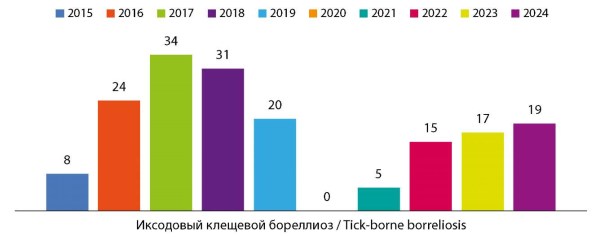
Objective: to analyze the incidence of the population of the Rostov region with actual natural focal infections over the past 10 years for determining the administrative territories of the region with shared and combined natural foci. Materials and methods: we used materials from the reference centers of the Russian Federation on natural focal infections, official data on the incidence of natural focal infections among the population of the Rostov region, results of epidemiological examination of foci. Methods: epidemiological, analytical, statistical. Results: an epidemiological analysis of the incidence of the population for some natural focal infections was carried out, the administrative territories of the region with shared and combined natural foci were determined, specific proposals were prepared to improve epidemiological surveillance of natural focal infections in the region in modern conditions. Conclusions: as a result of the work, an epidemiological assessment of the incidence of natural focal infections of the population of the Rostov region over a ten-year period was carried out, territories with active combined and shared natural foci were identified.

Objective: to assess the epidemiological monitoring results of West Nile fever causative agent in the territory of the North Caucasian Federal District in the contemporary period. Materials and methods: official data from the Offices of Rospotrebnadzor for the constituent entities of the Russian Federation within the North Caucasian Federal District for the period 2010–2025 were analyzed using a comprehensive epidemiological approach. Long-term and intra-annual incidence dynamics, socio-demographic and clinical characteristics, fatality rate, spatial distribution of cases, and results of population immunity monitoring were assessed. Results: Cases of West Nile fever were registered in all constituent entities of the district. The epidemic process of West Nile fever is characterized by low reported incidence, pronounced spatial heterogeneity, and a typical seasonal pattern with a peak in August and September. A higher proportion of severe clinical forms and fatal outcomes compared with national averages was observed, which is attributable to the small number of cases and predominant detection of clinically manifest infections. Seroepidemiological studies indicate contact of the population with the pathogen and formation of population immunity, most pronounced in Stavropol Territory and the Republic of Dagestan. Conclusion. The findings confirm active circulation of West Nile virus in the North Caucasian Federal District and highlight the need to strengthen epidemiological surveillance measures and optimize seroepidemiological monitoring.
SURGERY

Objective: to improve the effectiveness of mastering the fundamental skills of endosurgery through the use of a specially designed LaPRO simulator to assess the learning ability of students, residents and surgeons. Materials and Methods: a medical simulator has been developed to teach students, residents and surgeons the basics of endosurgery. Its design features make it possible to teach basic skills of endoscopic surgery in conditions as close to clinical as possible. To test its effectiveness, trainings were conducted with the participation of specialists of various levels. The criterion for the success of using the simulator is the level of learning according to the proposed methodology, which is assessed by the time and quality of the tasks. Results: the level of acquisition of fundamental skills in endosurgery depends on the initial training of the student. Conclusions: the LaPRO medical simulator allows you to master the basic skills of endosurgery in conditions close to clinical. Uniform learning conditions ensure objective control of the acquisition of skills, and early student learning contributes to their effective application in practice.
SURGERY, INTERNAL MEDICINE, ENDOVASCULAR SURGERY

This article presents a clinical case of successful multidisciplinary treatment of a 90-year-old patient with life-threatening gastrointestinal bleeding caused by the formation of an arteriobiliary fistula secondary to choledocholithiasis. The pathogenic mechanism involved pressure necrosis of the common bile duct wall with penetration into the right hepatic artery. Temporary hemostasis occurred due to obstruction of the distal common bile duct by small concretions and equalization of intraductal and systemic arterial pressure. The treatment strategy comprised three sequential stages: endovascular graft stenting of the hepatic artery to separate the vessel from the bile duct, external biliary drainage followed by cholecystostomy, and endoscopic papillosphincterotomy with lithotripsy and sanitation of the common bile duct. This comprehensive approach allowed avoidance of extensive surgical intervention and achieved a favorable outcome in an elderly patient.
ANNIVERSARY

The Department of Professional Retraining and Advanced Training of specialists of the Rostov-on-Don Anti-Plague Institute of Rospotrebnadzor is one of the divisions on the basis of which specialists are trained to work with pathogenic biological agents and to participate in anti-epidemic measures. An analytical review of information from literary sources and databases of the CyberLeninka and eLibrary electronic libraries, as well as archival materials from the Institute’s library collection, has been carried out. The review provides information on the scientific and practical activities of the Department of professional retraining and advanced training of specialists from the moment of its foundation to the present. Attention is paid to the various stages of the formation of the department, to the staff of the department who have made a significant contribution to the development of Russian science. The experience gained over the years of the department’s work has allowed us to create an effective training system for specialists of various specialties working with particularly dangerous infections.

ISSN 2618-7876 (Online)