ORIGINAL ARTICLES
INTERNAL DISEASES
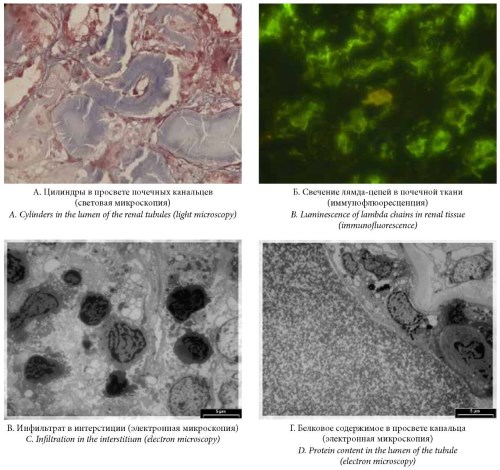
This article presents the case history of patient B., 63, with an atypical onset of multiple myeloma, manifested by acute kidney injury. This description of a clinical case of this rare onset of multiple myeloma is important for physicians of various specialties, as it demonstrates the variability of the course of extraosseous lesions in this disease, as well as the specific features of renal tissue involvement. Specifically, the classic variant of cast nephropathy in patient B. was masked by the absence of pathological changes in the urine and signs of paraprotein accumulation in the blood, which reduces the likelihood of an accurate diagnosis and, consequently, timely treatment. Importantly, the described changes in renal tissue indicate severe nephrotoxicity of the paraprotein and the rapid development of renal injury.
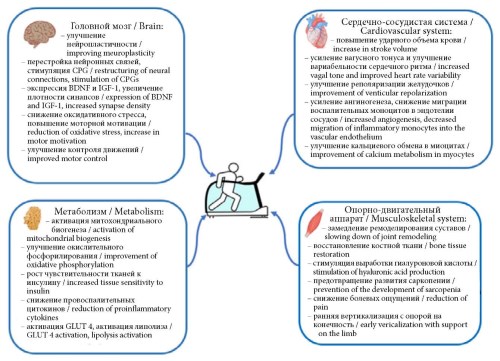
Objective: to determine current data allowing to judge the effectiveness of the antigravity treadmill (AGT) in various areas of medical rehabilitation taking into account the pathogenetic aspects of its action at the cellular, systemic and functional levels. Materials and methods: a search of Russian and foreign scientific literature was conducted in the following citation databases: “eLIBRARY”, “PubMed”, “Google Scholar”, “Scopus”, “Frontiers”. Request dates: November 2025 – December 2025, request depth: 2010–2025. Results: an analysis of data obtained from clinical studies of Russian and foreign authors was carried out, which indicate the benefits of using AGT in modern clinical practice, including medical rehabilitation. The effects of AGT on the correction and prevention of pathological processes in diseases of the cardiovascular system, respiratory organs, musculoskeletal system, central nervous system, and obesity are systematized. Data are presented on the impact of AGT on various body systems – cellular, cytokine, metabolic, and hemodynamic. Conclusions: AGT is a modern, safe, and highly effective medical rehabilitation tool capable of improving functional performance, accelerating tissue repair, and normalizing metabolic processes. The use of antigravity walking is particularly relevant for early patient activation, achieving faster recovery of impaired functions and activity. It is important to note that when natural walking is impossible, for example, due to lower limb amputation, AGT exercises are the only optimal form of physical activity. Further study of AGT in scientific research will expand the indications for its use in various medical rehabilitation settings.
CARDIOLOGY
Objective: to investigate the influence of percutaneous coronary intervention (PCI) on cytokine levels in patients with stable IHD, to analyze the features of cytokine status before and after PCI, depending on the development of adverse outcomes within a year after the intervention, and to assess the influence of emotional state changes at cytokine level. Materials and methods: 58 patients with stable IHD hospitalized for PCI were included into the study. The levels of IFN-γ, IL-17, IL-6, IL-4, TNF-α were measured initially and on the third day after the intervention. Psychometric testing was carried out using the CES-D and HADS questionnaires. Results: according to psychometric testing results, 20.7% of patients had emotional state changes. Groups of patients were comparable by clinical features. The presence of emotional disturbances was complemented by an increase in the level of IL-6. PCI was accompanied by an increase in proinflammatory potential, which was reflected in an increase in IL-17 and TNF-α levels in the absence of IL-4 level dynamics. The presence of depression’s indicators (by using CES-D scale) was associated with a significant increase in IL-6 and IFN-γ levels on the third day after PCI. A higher level of IL- 17 both before and after stenting and IL-6 after stenting was associated with the development of adverse outcomes.
PAEDIATRICS
Objective: to highlight the difficulties of diagnosing autoimmune polyglandular syndrome type 1 (APC-1) in children, using the example of a clinical case with atypical onset. Materials and methods: the article presents a clinical case of a 3-yearold girl in whom the manifestation of APC-1 began with autoimmune hepatitis type 2, followed by the development of a classic triad of symptoms. The analysis of clinical and laboratory data and the results of a molecular genetic study was carried out. Results: molecular genetic analysis confirmed the diagnosis of APC-1 (homozygous mutation c.769C>T p.R257X in the AIRE gene). Against the background of immunosuppressive and hormone replacement therapy, positive dynamics from hepatitis was noted, however, the syndrome progressed with the addition of hypoparathyroidism and primary adrenal insufficiency, which required repeated correction of treatment. Conclusion: the described case illustrates the polymorphism of the clinical picture of APC-1 and highlights the need for caution regarding this syndrome in children with isolated autoimmune diseases. Early genetic verification is key for the timely initiation of complex therapy.
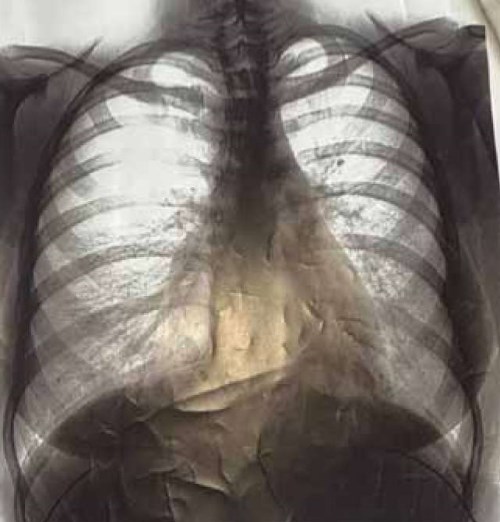
Congenital cystic adenomatoid malformation (CCAM) of the lung is a congenital disorder characterized by multiple cysts resulting from adenomatous hyperplasia of the bronchial epithelium. In many cases, respiratory distress develops in the neonatal period, and approximately 80–85% of patients with CCAM are diagnosed before the age of two years old. CCAM diagnosed in adolescence is extremely rare. In this paper, we describe a case of CCAM of the right lung in a 15-year-old girl, which was discovered incidentally during a routine examination. Patient underwent a right upper partial lobectomy; histopathological examination confirmed the diagnosis.
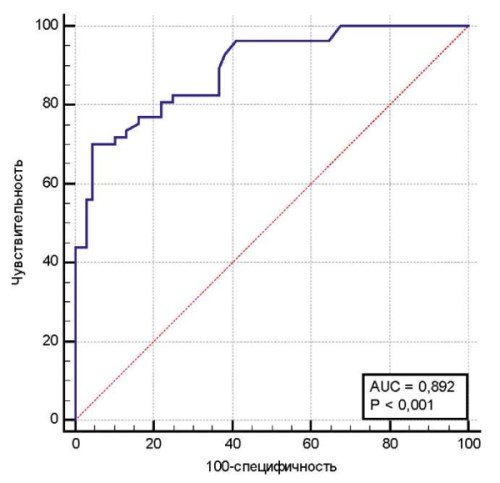
Objective: to develop a method for predicting the severe course of bronchial asthma (BA) in children. Materials and methods: to achieve this goal, a one-time single-center prospective comprehensive examination of 125 children diagnosed with asthma was organized. The clinical stage of the study included the collection of anamnestic data, questionnaires, physical examination, functional examination, evaluation of the results of laboratory and instrumental studies. Statistical analysis was performed using the programs "STATISTICA 12.0" and MedCalc 23.2.1 (Software, USA). Results: the analysis revealed the presence of a nonlinear relationship between the risk of more severe asthma and parameters such as the duration of the disease in years, the number of exacerbations over the current 12 months, in points: 1 point — 1–2 times a year, 2 points — 3–4 times a year, 3 points — 5 times a year or more; values of peak exhalation rate in % and concentration of connexin 43 in blood serum, in ng/ml. To more effectively predict the severe course of asthma in children using ROC analysis, we have developed a clinical and laboratory model that comprehensively covers these parameters. And for the automated calculation of the individual coefficient of prediction of severe asthma, a computer program has been developed to automatically calculate the risk of developing a severe course of the disease. Conclusion: the use of a model for predicting the severity of ASTHMA in clinical practice will allow predicting the further course of the disease in children with a high degree of reliability.
Congenital malformations (CM) of the urinary system (US) are embryonic disorders that occur during fetal development and result in various defects of the kidneys and urinary tract, including the ureters, bladder, and urethra. Congenital uropathies are among the most common congenital anomalies. The prognosis for the patient's life is extremely variable. The review presents modern data on the etiology, risk factors, pathogenesis, methods of antenatal diagnostics of congenital anomalies of the kidneys and urinary tract. Particular attention is paid to ultrasound examination in the ante- and postnatal periods, as well as diagnostic criteria for identifying patients at risk. The principles of examining patients in the postnatal period are described, as well as the difficulties in determining the tactics of management. A characteristic of various therapeutic strategies for preserving the function of the fetal US is given (vesicoamniotic shunting, intrauterine cystoscopy). Particular attention is paid to their mechanisms of action, as well as advantages and disadvantages. Currently, the current direction is the development of a single specific approach to the management of such patients, which is difficult to ensure due to the large number of variants of various anomalies. There is a need to prevent the formation of these conditions in fetuses, to mitigate the adverse effects of these CM in the ante- and postnatal periods and, consequently, to maintain good functional condition of the kidneys and ensure a high quality of life.
A rare clinical case of a combined diagnosis in a child is presented, which demonstrates the difficulty of choosing a genetically engineered biological therapy for two severe disabling diseases in one patient. The initial clinical picture of the child included manifestations of atopic dermatitis from an early age, followed by the addition of joint syndrome at school age, which made it difficult to treat both diseases. A single option for immunosuppressive therapy of both competing diseases was considered in the form of prescribing methotrexate. During the examination and dynamic monitoring of the patient, it was decided to initiate therapy with a genetically engineered biological drug from the TNF-α inhibitor group. A special feature of this clinical case is the trajectory of the therapeutic search. Etanercept therapy proved to be effective, quickly relieving the joint syndrome and reducing the severity of the skin syndrome. Regular use of the drug made it possible to achieve stable stabilization of the child's condition and prevent the development of complications of the combined disease. This case highlights the need for high vigilance regarding the combination of these diseases, as well as the importance of choosing the right treatment and starting it on time.
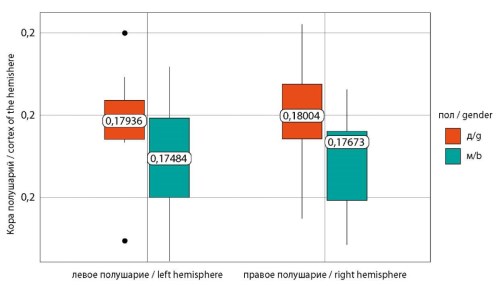
Objective: to identify the morphometric characteristics and sex differences of the white and gray matter of the brain in school-age children. Materials and methods: the results of MR tomograms of the brain of 123 healthy schoolchildren aged 15-16 with normal physical development, who were examined before participating in sports competitions, were analyzed. The FreeSurfer software was used. Results: automatic segmentation, reconstruction and quantitative analysis of brain structures were performed, correction of the total intracranial volume was performed. Without adjusting for intracranial volume, the indicators of the white gray matter of the brain in boys were statistically significantly higher than those of girls. Conclusions: the predominance of the relative volumes of the cortical structures of the brain in girls over the indicators of their male peers was noted.
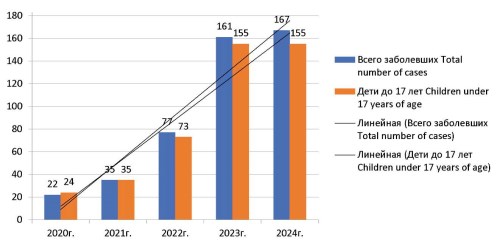
Objective: to identify current clinical and laboratory characteristics of infectious mononucleosis in children. Materials and methods: this study presents an analysis of 50 clinical cases of infectious mononucleosis in children hospitalized at the Orenburg Regional Clinical Infectious Diseases Hospital in 2025. To confirm the diagnosis, blood and saliva were tested using polymerase chain reaction to detect Herpes virus DNA, nasopharyngeal swabs were tested using PCR for respiratory viruses and SARS-CoV-2, and oropharyngeal mucus was bacteriologically tested for opportunistic pathogens. Results: it was established that infectious mononucleosis was characterized by the development of typical syndromes (intoxication, lymphoproliferative, hepatosplenic). However, at the onset of the disease, intoxication syndrome and oropharyngeal changes predominated, often leading to misdiagnosis and lack of appropriate etiotropic treatment at the prehospital stage (100%) and late hospitalization of children (66%). Conclusions: the overwhelming majority (78%) of patients had liver damage with the development of cytolysis syndrome. More than half (56%) of children had mixed infections: viral-viral (26%) and viral-bacterial (30%), which aggravated the severity of infectious mononucleosis and required complex etiotropic therapy. A comparative analysis of the course of infectious mononucleosis in children with mono- and mixed infections revealed significant differences in the severity of cytolysis syndrome in children with mixed viral infections with long-term recovery of AST and ALT levels (14-28 days), which must be taken into account in the rehabilitation program for such patients.
ALLERGOLOGY AND IMMUNOLOGY
Objective: To evaluate hematological parameters and neutrophil phagocytic activity in patients with acute coronary syndrome (ACS) with and without post-COVID syndrome (PCS), according to CD8+ T-lymphocyte counts. Materials and methods: Sixty-five men with ACS were examined. Complete blood counts, neutrophil phagocytic activity, and CD8+ T-lymphocyte counts were assessed at baseline and on day 28. Results: The greatest leukocytosis was observed in patients whose CD8+ T-lymphocyte counts were within the reference range; leukocyte counts in this group decreased significantly by day 28 (p<0.05). Phagocytic intensity of neutrophils increased significantly in patients with reduced CD8+ counts, regardless of PCS status. The phagocytic number of neutrophils also increased significantly over time in the low-CD8 group (p<0.05). NBT-induced activity and index decreased significantly in PCS patients with CD8+ counts within the reference range. Conclusions: After coronary stent implantation, patients with ACS and either low or normal CD8+ T-lymphocyte counts showed by day 28 a reduction in leukocytes, granulocytes and band neutrophils and an increase in lymphocytes, consistent with a beneficial effect of stenting. The phagocytic number and phagocytic intensity of neutrophils increased significantly in patients with reduced CD8+ counts (both with and without PCS), whereas NBT-induced activity and index decreased (p<0.05) in PCS patients with CD8+ counts within the reference range.
Objective: to identify clinical and immunological markers of severe acute urticaria in children. Materials and methods: 61 children with severe acute urticaria were examined, clinical methods (allergoanamnesis, urticaria activity index UAS7), immunological methods (quantitative indicators of the functioning of cellular and humoral links of the innate and adaptive immune response), statistical analysis (computer environment R). Results: it was determined that 31 children had severe acute urticaria without an established cause, urticaria with allergic or pseudoallergic genesis in the form of food hypersensitivity was noted in 15 children, in the form of drug hypersensitivity in 15 children. A hereditary allergic anamnesis was found in 31 children, and a personal allergic anamnesis in 54 patients. In 32 patients, severe acute urticaria was characterized by the presence of common symptoms, in 31 children – the development of angioedema. It was found that in children with severe acute urticaria, there was a significant increase in the expression of TLR2 and TLR4 monocytes and extremely low values of TLR9 monocyte expression, the number of NK cells was reduced, there were no changes in the spontaneous test in the phagocytic unit with a decrease in the adaptive reserves of phagocytes, increased levels of lactoferrin, IFNy, IL-6, IL-17, VEGF-A, and TGF-β1 with a decrease in IL-4 content. The processes of early activation and readiness of immunocompetent cells for apoptosis are reduced, as well as the number of regulatory T-lymphocytes. In the humoral link, with an increase in the number of B-lymphocytes, there is a decrease in the levels of secretory and serum IgА, hyperproduction of IgЕ, and accumulation of circulating immune complexes. Conclusions: the association of the incidence of severe acute urticaria in children with gender, age and with various types of hypersensitivity, hereditary and personal allergic anamnesis was revealed. Dysfunctional changes in the components of the innate and adaptive immune response in children are associated with the severity of acute urticaria and suggest their leading role in the pathogenesis of the disease, the possibility of creating a model for the prognosis of the disease.
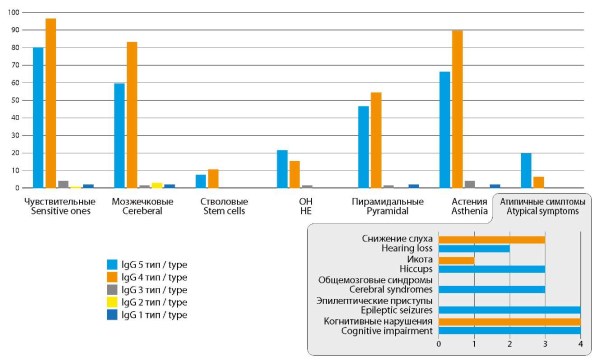
Objective: to identify clinical and immunological predictors of early conversion in patients with CIS. Materials and methods: analysis of medical records and laboratory data of 320 patients, data processing - one- and two-way analysis of variance (ANOVA), nonparametric chi-square test, parametric and nonparametric (Spearman) correlation analysis, Mann-Whitney rank test. Results: age of onset: 13–71 years, mean — 36.4±8 years; Me=36 years. In 60 patients (18.7%) the onset was at the age of 50 years and older. Polyfocal onset was detected in 84.4%, in most patients conversion occurred after 12 months or more. In innate immunity: an increase in CD16+Gr+, % 7.8 [5.2; 9.1], CD14+289+ 12 [4; 20], inversion of the HBT test 155 [139; 171] (p < 0.05). In adaptive immunity: an increase in CD3+HLA DR+, % 3 [2; 5.4], CD8+Gr+ 20 [15; 27], CD19+, % 9 [7; 12], an increase in the CIC, AU. 60 [47;84] (p < 0.05), decrease in CD4+CD25+, % 1.3 [1.0;2.2], CD19+CD5+, % 0.6 [0.3;0.9] (p < 0.05). a wide range of the age of onset was revealed, with a tendency towards an increase in the average age, and prevalence of polyfocal debut. In innate immunity, an increase in monocytes expressing CD14+289+ with a decrease in the ability of antibacterial protection, a decrease in the activation capacity of monocytes, an increase in the cytotoxic functions of natural killers, a decrease in the adaptive reserves of the neutrophil link with inversion of the NBT test. Changes in adaptive immunity lead to inversion of IRI (an increase in cells with a cytotoxic effect, a violation of the B1/B2 lymphocyte ratio and their discoordination). Discoordination of antibody production processes in the humoral immunity. Conclusion: clinical and immunological markers of early conversion of CIS to MS have been identified.
SURGERY
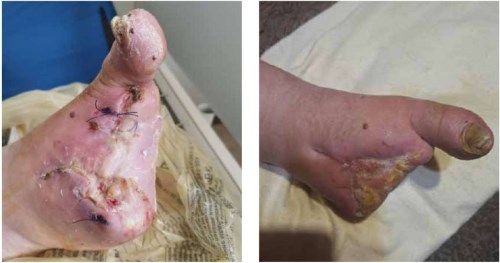
Diabetic foot syndrome remains one of the leading causes of non-traumatic amputations in the world, with the neuroischemic form being the most severe and having an unfavorable prognosis. Despite the development of revascularization methods, the frequency of high amputations reaches 40–60%, and postoperative mortality remains high. There is an urgent need to optimize the management of such patients to overcome the consequences of ischemia and post-reperfusion complications, making the search for effective comprehensive approaches critical for modern surgery. The article demonstrates the author's own clinical observation of a patient with a neuroischemic form of diabetic foot syndrome with critical ischemia, which led to the formation of a large, long-lasting wound on the right foot. The article presents the author's three-stage treatment method, in which local negative pressure therapy is considered an essential element included in the unified treatment strategy immediately after the restoration of магистрального blood flow and necrectomy. A clinical example shows that the simultaneous use of local negative pressure therapy and soft tissue plastic surgery in the post-revascularization period significantly improves treatment outcomes.

ISSN 2618-7876 (Online)